
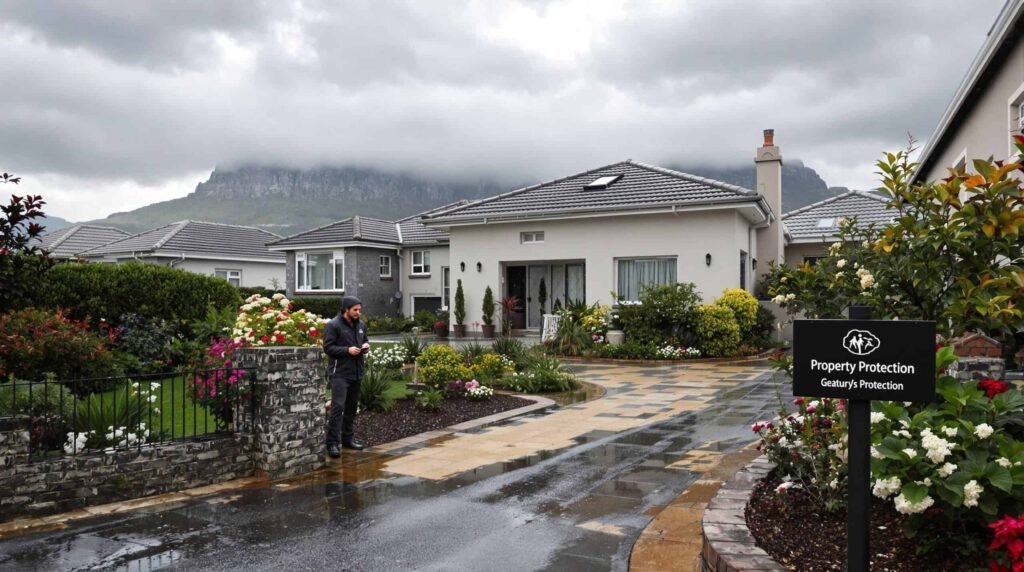
Waterproofing your property in Cape Town is a must if you want to fend off leaky walls and moisture damage, especially with the city’s wild winter storms. Most people expect a simple price tag but the actual cost can swing wildly depending on your area, property type, and the materials you choose. Some jobs hit over R80,000 just to keep the water out. That sounds massive, right? Turns out you can avoid these eye-watering bills with a few clever moves most homeowners overlook.
Table of Contents
- Factors Influencing Waterproofing Costs In Cape Town
- Average Pricing For Homes, Businesses, And Factories
- How To Choose The Right Waterproofing Contractor
- Ways To Reduce Waterproofing Costs Without Compromising Quality
Quick Summary
| Takeaway | Explanation |
|---|---|
| Understand cost factors | Several aspects influence waterproofing costs, like geography, climate, and property type. Knowing these helps accurately budget. |
| Get multiple contractor quotes | Always request detailed assessments and quotes from various contractors to ensure competitive pricing and options. |
| Choose high-quality materials | Investing in superior materials may seem costly upfront but provides long-term durability and prevents future repairs. |
| Plan strategically for savings | Careful planning and bulk purchasing of materials can significantly lower waterproofing costs without compromising quality. |
| Select the right contractor | Ensure the contractor has relevant credentials, experience, and a solid warranty to protect your investment. |
Factors Influencing Waterproofing Costs in Cape Town
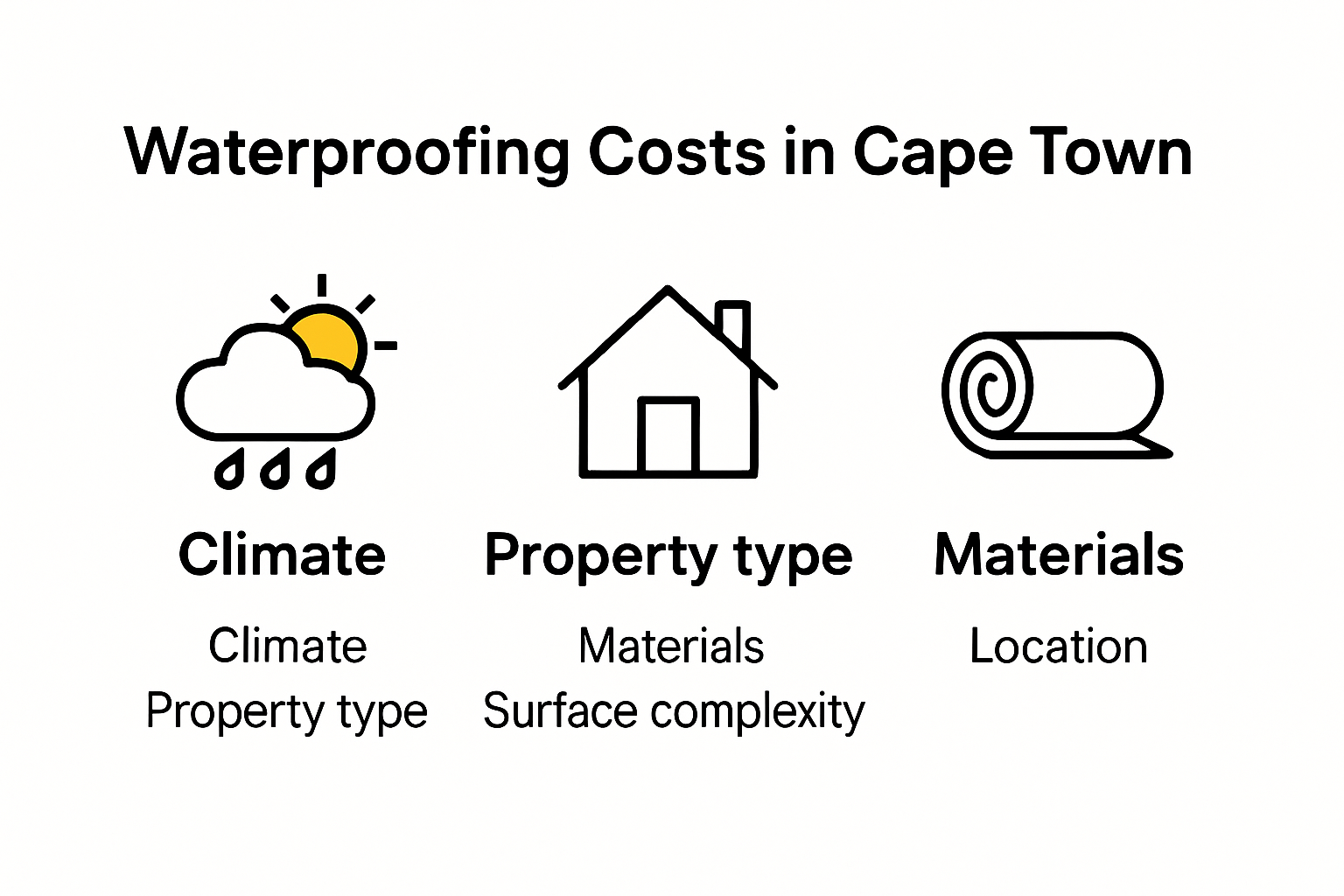
Waterproofing costs in Cape Town are complex and influenced by multiple critical factors that property owners must carefully consider. Understanding these variables helps make informed decisions about protecting your property from water damage and moisture intrusion.
Geographical and Climate Considerations
Cape Town’s unique coastal environment significantly impacts waterproofing requirements and associated costs. The city’s Mediterranean climate with wet winters and proximity to the ocean creates challenging conditions for property protection. According to the Association of South African Quantity Surveyors, specific membrane specifications and UV-protective coatings are essential for withstanding local environmental stressors.
The region’s geological characteristics also play a substantial role. Areas with high water tables or clay-rich soils require more intensive waterproofing solutions, which directly increases project expenses. Properties located in zones prone to groundwater seepage or with steep terrain might need advanced drainage systems and more complex waterproofing techniques.
Property Type and Surface Complexity
Waterproofing costs vary dramatically based on the specific property type and surface complexity. Residential homes, commercial buildings, industrial facilities, and underground structures each present unique challenges. The South African Professional Association of Construction notes that construction costs in Cape Town range from R15,000 to R25,000 per square meter, with waterproofing representing a significant portion of these expenses.
Factors affecting cost include:
- Surface Area: Larger surfaces require more materials and labor
- Surface Condition: Damaged or uneven surfaces need additional preparation
- Accessibility: Hard-to-reach areas increase installation complexity
- Existing Waterproofing: Removal of old systems adds to overall project expenses
Material and Technical Specifications
The choice of waterproofing materials dramatically influences total project costs. Advanced solutions like liquid-applied membranes, sheet membranes, and specialized coatings each come with different price points and performance characteristics. High-quality materials offering longer warranties and better environmental resistance typically require higher upfront investments but provide superior long-term protection.
Technical specifications such as membrane thickness, chemical composition, and compatibility with existing structures further complicate pricing. Professional assessment becomes crucial in determining the most cost-effective solution that meets specific property requirements while providing robust protection against water infiltration.
Property owners in Cape Town must recognize that waterproofing is not a one-size-fits-all service. Comprehensive professional evaluation considering geographical, structural, and environmental factors ensures precise cost estimation and optimal protection for your valuable asset.
Average Pricing for Homes, Businesses, and Factories
Waterproofing costs in Cape Town vary significantly across different property types, reflecting the unique challenges and requirements of residential, commercial, and industrial spaces. Understanding these pricing variations helps property owners budget effectively and select appropriate waterproofing solutions.

Residential Waterproofing Costs
For homeowners in Cape Town, waterproofing represents a critical investment in property protection. According to Yelp’s comprehensive analysis, typical waterproofing services range from R8,000 to R40,000, depending on the specific requirements of the property. Factors influencing residential waterproofing costs include the property’s size, existing moisture damage, and the complexity of the waterproofing method.
Typical residential waterproofing pricing breaks down as follows:
- Basic Interior Sealing: R5,000 to R15,000
- Comprehensive Basement Waterproofing: R20,000 to R50,000
- Full Exterior Treatment: R30,000 to R80,000
Smaller homes with minimal moisture issues might require more affordable solutions, while larger properties or those with significant water intrusion challenges will need more extensive interventions.
Commercial and Industrial Waterproofing Expenses
Businesses and industrial facilities face more complex waterproofing requirements, which significantly impact pricing. The Spruce reports that industrial waterproofing solutions can range from R60,000 to R250,000, depending on the facility’s size and specific moisture protection needs.
Commercial and industrial waterproofing costs are influenced by:
- Surface Area: Larger facilities require more materials and labor
- Structural Complexity: Multi-level buildings or facilities with unique architectural features
- Specialized Environmental Requirements: Clean rooms, manufacturing spaces, or storage facilities
- Technical Specifications: Advanced moisture barrier systems
Specialized Waterproofing Techniques and Their Pricing
Different waterproofing techniques come with varying price points. This Old House indicates that specialized treatments can significantly impact overall costs:
- Concrete Sealing: R300 to R1,500 per square meter
- Waterproof Membrane Installation: R800 to R3,500 per square meter
- Interior French Drain Systems: R20,000 to R85,000 total installation
- Sump Pump Installation: R10,000 to R40,000
Property owners should recognize that while initial waterproofing costs might seem substantial, they represent a critical investment in protecting the property’s structural integrity and preventing potentially more expensive water damage repairs in the future. Professional assessment remains key to determining the most cost-effective and appropriate waterproofing solution for each unique property.
Here is a summary table outlining typical price ranges for common property types and waterproofing techniques mentioned above:
| Property Type/Technique | Typical Cost Range (ZAR) |
|---|---|
| Basic Interior Sealing (Residential) | R5,000 – R15,000 |
| Basement Waterproofing (Residential) | R20,000 – R50,000 |
| Full Exterior Treatment (Residential) | R30,000 – R80,000 |
| Commercial/Industrial Waterproofing | R60,000 – R250,000 |
| Concrete Sealing | R300 – R1,500 per sq/m |
| Membrane Installation | R800 – R3,500 per sq/m |
| French Drain System | R20,000 – R85,000 (total) |
| Sump Pump Installation | R10,000 – R40,000 (total) |
How to Choose the Right Waterproofing Contractor
Selecting the right waterproofing contractor is crucial for ensuring the long-term protection of your property in Cape Town. The process requires careful consideration and thorough evaluation to guarantee quality workmanship and effective moisture prevention.
Credentials and Professional Qualifications
Before engaging any waterproofing contractor, verify their professional credentials and industry certifications. According to building industry experts, a reputable contractor should possess:
- Registered professional memberships
- Valid trade certifications
- Proof of specialized waterproofing training
- Current liability insurance
- Documented safety compliance records
Established contractors with extensive experience in Cape Town’s unique climate will understand the specific challenges posed by local environmental conditions. Look for professionals who have demonstrated a track record of successful projects in similar property types.
Comprehensive Assessment and Transparent Quotation
A professional waterproofing contractor should provide a detailed, comprehensive assessment of your property’s specific moisture challenges. Construction industry guidelines recommend requesting:
- Thorough site inspection
- Detailed written diagnostic report
- Comprehensive cost breakdown
- Multiple proposed solution strategies
- Clear explanation of recommended techniques
Transparency in quotation is critical. Reputable contractors will offer itemized estimates that clearly outline materials, labor, expected duration, and potential additional costs. Avoid contractors who provide vague or overly generalized pricing without substantive property assessment.
Warranty and Post-Installation Support
The quality of a waterproofing contractor extends beyond initial installation. Critical factors to consider include:
- Warranty Duration: Minimum 5-10 year comprehensive warranty
- Warranty Coverage: Inclusive of materials and workmanship
- Follow-up Inspection: Complimentary post-installation assessments
- Maintenance Recommendations: Ongoing care instructions
Potential clients should request references from previous projects and verify the contractor’s reputation through independent reviews. Professional associations and local building councils can provide additional verification of a contractor’s standing.
Remember that the cheapest quote does not necessarily represent the best value. Investing in a qualified, experienced waterproofing specialist ensures long-term property protection and prevents potentially expensive future repairs. Careful selection today can save significant expenses and structural damage in the future.
The following table summarises key criteria to consider when evaluating Cape Town waterproofing contractors:
| Criteria | What to Look For |
|---|---|
| Credentials & Memberships | Trade certifications, professional memberships |
| Insurance & Compliance | Valid liability insurance, safety records |
| Experience | Local projects similar to yours, proven track record |
| Assessment Approach | Detailed inspection & written report |
| Quotation Clarity | Itemised cost breakdown, solution options |
| Warranty & Support | 5–10 year warranty, maintenance advice |
| References & Reviews | Positive reviews, verifiable references |
Ways to Reduce Waterproofing Costs Without Compromising Quality
Reducing waterproofing costs without sacrificing protection requires strategic planning and informed decision-making. Property owners in Cape Town can implement several cost-effective approaches that maintain high-quality moisture prevention standards.
Strategic Planning and Material Selection
According to construction industry insights, effective planning can significantly reduce waterproofing expenses. Comprehensive project scoping allows property owners to optimize design and material choices, minimizing unnecessary expenditures.
Key strategies for cost-effective material selection include:
- Bulk Material Purchasing: Negotiate volume discounts
- Multi-Purpose Materials: Select versatile waterproofing solutions
- Local Material Sourcing: Reduce transportation expenses
- Compatible Product Systems: Minimize installation complexities
Property owners should prioritize materials that offer long-term performance rather than focusing solely on initial cost. Investing in high-quality, durable solutions can prevent expensive repairs and replacements in the future.
Installation Efficiency and Labor Optimization
Building enclosure experts highlight that installation complexity directly impacts overall project costs. Selecting materials that are easier to install can dramatically reduce labor expenses and minimize potential installation errors.
Cost-reduction techniques for installation include:
- Prefabricated Waterproofing Solutions: Faster installation
- Modular Application Systems: Reduced labor time
- Comprehensive Staff Training: Minimize installation mistakes
- Advanced Installation Techniques: Improve efficiency
Sustainable and Long-Term Cost Management
Eco-friendly waterproofing approaches offer innovative ways to manage costs while maintaining high-quality protection. Sustainable materials and techniques can provide additional financial benefits beyond initial installation.
Sustainable cost management strategies include:
- Water-Based Sealants: Lower environmental impact
- Green Roofing Systems: Enhanced moisture protection
- Low VOC Materials: Improved indoor air quality
- Energy-Efficient Moisture Barriers: Potential utility savings
Property owners should view waterproofing as a long-term investment. While upfront costs might seem significant, selecting the right materials and installation approach can generate substantial savings over time. Professional consultation remains crucial in developing a cost-effective, high-quality waterproofing strategy tailored to specific property requirements.
Frequently Asked Questions
What factors influence the cost of waterproofing in Cape Town?
Waterproofing costs in Cape Town are influenced by several factors, including geographical and climate conditions, property type and surface complexity, and the materials used. Understanding these aspects helps property owners budget effectively.
How much does residential waterproofing typically cost in Cape Town?
Residential waterproofing costs can range from R8,000 to R80,000, depending on the property’s size and specific needs. Basic interior sealing may cost between R5,000 to R15,000, while full exterior treatments can go up to R80,000.
What should I look for in a waterproofing contractor?
When choosing a waterproofing contractor, check their credentials, industry qualifications, and experience with similar properties. Ensure they provide a comprehensive assessment and transparent quotes, along with a solid warranty for their work.
How can I reduce waterproofing costs without compromising quality?
You can reduce waterproofing costs by strategically planning your project, selecting high-quality materials that offer long-term durability, optimizing installation efficiency, and considering bulk purchases. Investing in quality will save you money in future repairs.
Protect Your Property from Expensive Water Damage – Make Your Waterproofing Budget Go Further
Facing unpredictable waterproofing costs in Cape Town can leave you frustrated and worried about your property’s safety. Rising moisture problems, hidden leaks, and sky-high repairs threaten both your finances and peace of mind. You have seen that factors like the local climate, property complexity, and material decisions can make budgeting tough. Avoid the common pitfalls and get a waterproofing solution that is transparent, environmentally safe, and tailored to your residential, commercial, or industrial needs.
With more than three decades of experience, Wilcote Cape Town offers advanced, eco-friendly waterproofing solutions designed for our city’s challenging conditions. Our team handles everything from comprehensive property assessments to durable installations supported by long-term warranties. Enjoy free, no-obligation quotes and the confidence that comes with proven project results. Do not let uncertainty drive up your costs. For reliable advice, trusted workmanship, and a hassle-free experience, visit our Wilcote Cape Town website today and take the first step to secure your property against water damage.